⚡ Key Highlights & Quick Takeaways
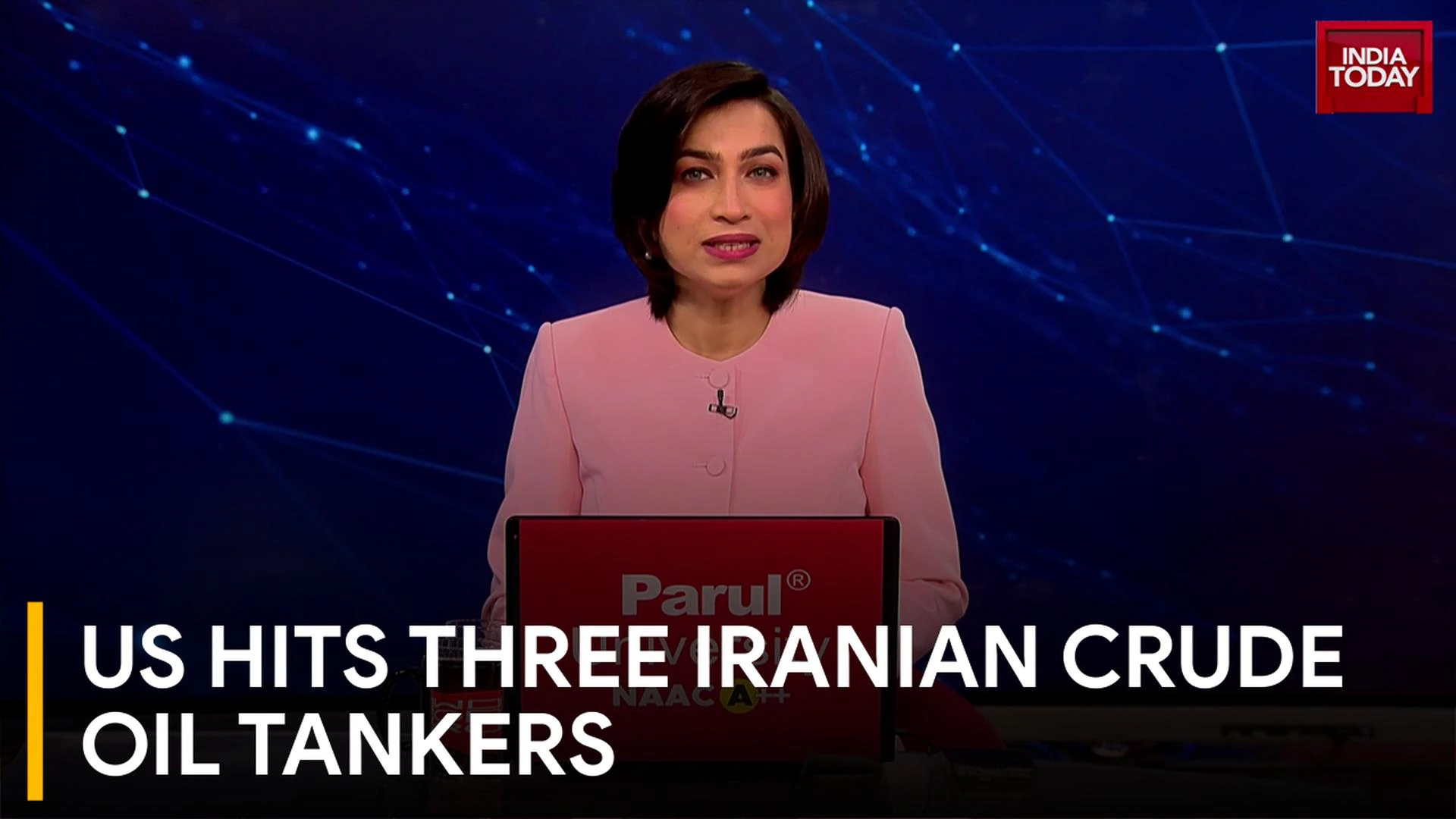
- United States forces have struck three Iranian crude oil tankers off Iran's Kharg Island, according to statements from US Central Command.
- The strikes followed an Iranian attack on two US Navy warships.
- Iran stated that four US missiles hit a tanker near the Kharg anchorage, adding that the crew was evacuated and no casualties were reported.
United States forces have struck three Iranian crude oil tankers off Iran's Kharg Island, according to statements from US Central Command. The strikes followed an Iranian attack on two US Navy warships. Iran stated that four US missiles hit a tanker near the Kharg anchorage, adding that the crew was evacuated and no casualties were reported. US Central Command confirmed no American personnel were harmed during the exchange. Tensions continue to rise between both nations amid ongoing military exchanges and confrontation regarding control over the Strait of Hormuz, where military bases and vessels have faced reciprocal attacks.
Following catastrophic flash floods triggered along the Nepal-China border, rescue operations continue across devastated regions including the Trishuli and Bhote Koshi river basins. Over 1,300 bodies have been recovered, while thousands remain missing. Amid widespread destruction of homes, roads, and infrastructure, miraculous survival accounts have emerged from the rubble. Search teams pulled survivors from collapsed structures and submerged hydropower project tunnels days after the disaster struck. In affected settlements, certain reinforced concrete buildings managed to withstand the lateral force and debris flow of surging waters, providing refuge to trapped families. Community interventions also prevented mass casualties, such as the rapid evacuation of over a thousand school students following early flood alerts. The Nepalese army, local civil volunteers, and emergency personnel are deploying temporary ropeways and heavy machinery to navigate damaged terrain, clear sludge, and restore connectivity to isolated villages as search efforts continue.
A political face-off has intensified between the Congress and the Bharatiya Janata Party following Prime Minister Narendra Modi's address at SRCC. Congress leader Kanhaiya Kumar criticised the Prime Minister for failing to address core student concerns, including the alleged assault on students at Jantar Mantar on 21st July. Kumar claimed that the government is on the back foot regarding student issues and alleged that the SRCC event was tightly controlled to prevent protests. In response to Congress's 'Chhatro Ki Goonj' dialogue campaign led by Rahul Gandhi, Prime Minister Modi countered by stating that 'Sach Ki Goonj' would defeat 'Jhooth Ki Goonj', while taking aim at political adversaries with jibes such as 'Dimagi Naxals' and 'foofa' to describe chronic critics of national milestones. The ongoing debate highlights the competing narratives between the two parties over education, youth employment, and political outreach ahead of upcoming Lok Sabha elections.
Addressing students during a Charcha at Shri Ram College of Commerce (SRCC), Prime Minister Narendra Modi highlighted India's economic resilience, citing the 7.8% quarterly GDP growth achieved despite global challenges such as the West Asia war. He recalled his 2013 SRCC address to contrast past issues—including policy paralysis, double-digit inflation, and high current account deficits—with the country's current progress in fintech, infrastructure, and defence manufacturing. Modi stated that over 60 crore bank accounts were opened under the Jan Dhan scheme in the last 12 years, forming the base for the fintech revolution. In a direct attack on adversaries and naysayers, the Prime Minister rejected what he described as the 'mai baap culture', asserting that truth withstands falsehoods. He urged the youth to focus on national development and leverage emerging opportunities to build a Viksit Bharat.
A landmark institutional centenary celebration highlighted the journey of higher education and national development over the past century.